
BMS
Building Management System
Control and monitor air conditioning, ventilation, lighting, and other building services from one place.
System overview
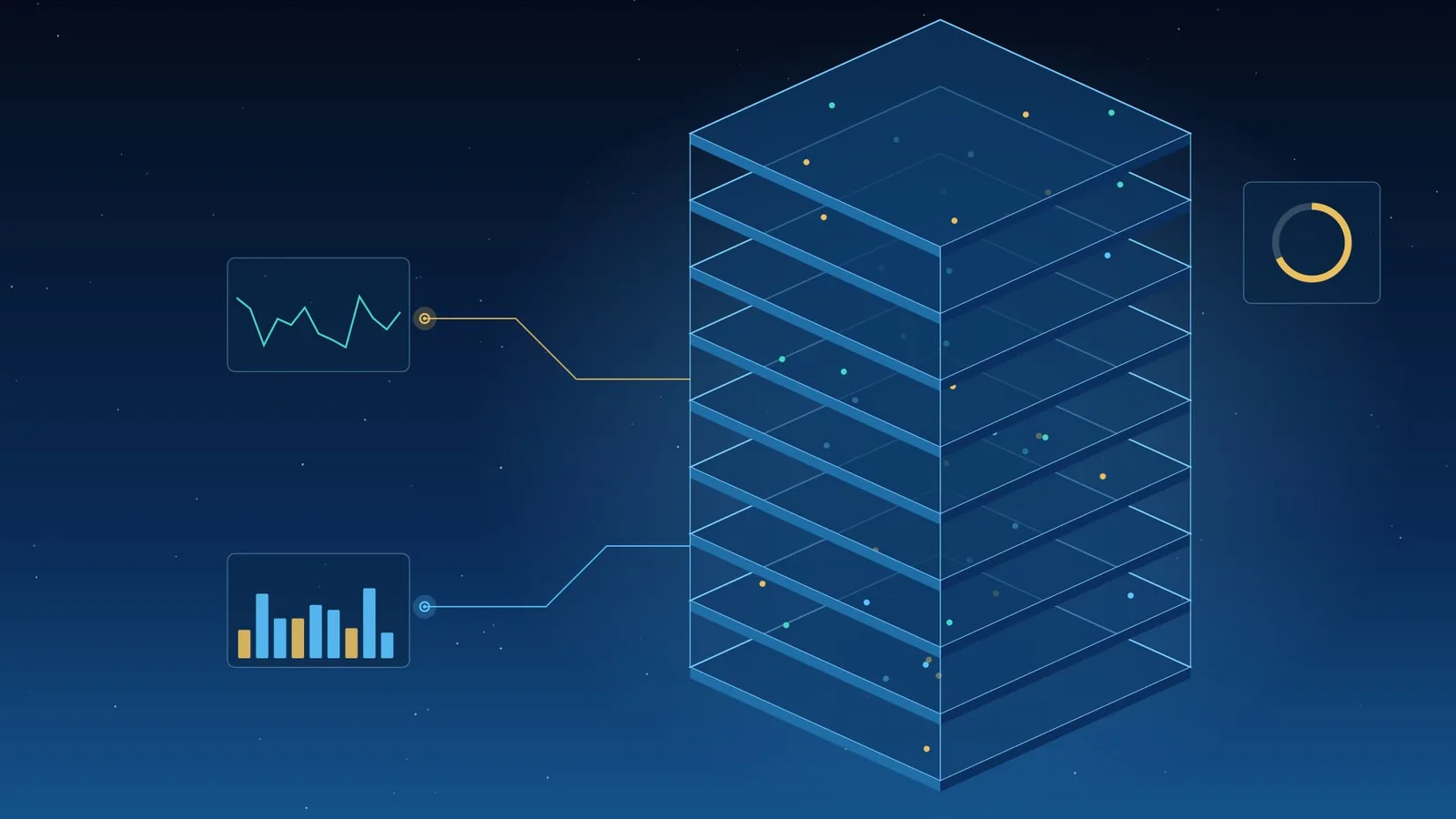
A Building Management System (BMS) connects building equipment into one central system. Facility teams see status on a single screen, schedule equipment, adjust settings, and receive alerts when something goes wrong.
The building runs in a more orderly way, less time goes to manual rounds, and both facility teams and management have data to base decisions on.
- Operator interfaceDashboards, building graphics, alarms, and reports
- Supervisory systemData storage, schedules, and integration
- ControllersDDC units running control logic in each area
- Field devicesSensors, actuators, AHUs, FCUs, pumps, and fans
Benefits
See the whole building
Equipment status and readings on one screen.
Catch problems early
Alerts on abnormal readings or trips, with an event history.
Cut unnecessary energy use
Schedules and settings that follow how spaces are really used.
Plan maintenance with data
Run hours and status history to inform maintenance plans.
What we deliver
- Building survey and control point list
- System design and control sequences
- Supply and installation of controllers and sensors
- Programming and graphic screen development
- Integration through standard protocols such as BACnet and Modbus
- Testing, handover, and operator training
- Modernization and maintenance
Where it applies
AHU and FCU control
Command, schedule, and view temperatures by floor or zone.
Occupancy schedules
Automatically run equipment around working hours and holidays.
Central alarm handling
Bring trip signals from many systems into a single view.
Related work
FCU overview by floor AHU detail page FCU detail page with a temperature chart and schedule Active alarms and alarm history
How we work
Survey and scope
Review the site and existing systems, then agree on requirements.
Design and proposal
Prepare the control approach, equipment list, and quotation.
Install and program
Install equipment, write programs, and integrate systems.
Test and hand over
Test with users, hand over documents, and train operators.
After-sales care
Maintain and refine the system as use evolves.
Planning a new BMS or upgrading an existing one?
Tell us about your building and current systems. Our engineers will get back to you with a suitable approach.